About ChinaBagPro
One development path for every style in the range
From Shiling, Guangzhou, we help brand and sourcing teams keep product roles, materials, construction, branding, packaging, and approvals aligned across a custom bag collection.
The hard part is not finding options. It is keeping the brief consistent.
A custom bag combines materials, structure, hardware, branding, packaging, cost, and timing. A change in one area often affects several others. Our role is to make those dependencies visible before they become repeated samples or production surprises.
We start with what matters to your business: the target customer, intended use, retail position, quantity, launch window, and non-negotiable brand details. From there, we help turn references and preferences into a specification that can be costed, sampled, and inspected.
Working from Shiling, Guangzhou's established bag manufacturing cluster, gives projects access to a broad supplier base. We use that access within a controlled process, so material substitutions, color matching, minimums, and packaging decisions are documented rather than left to assumption.
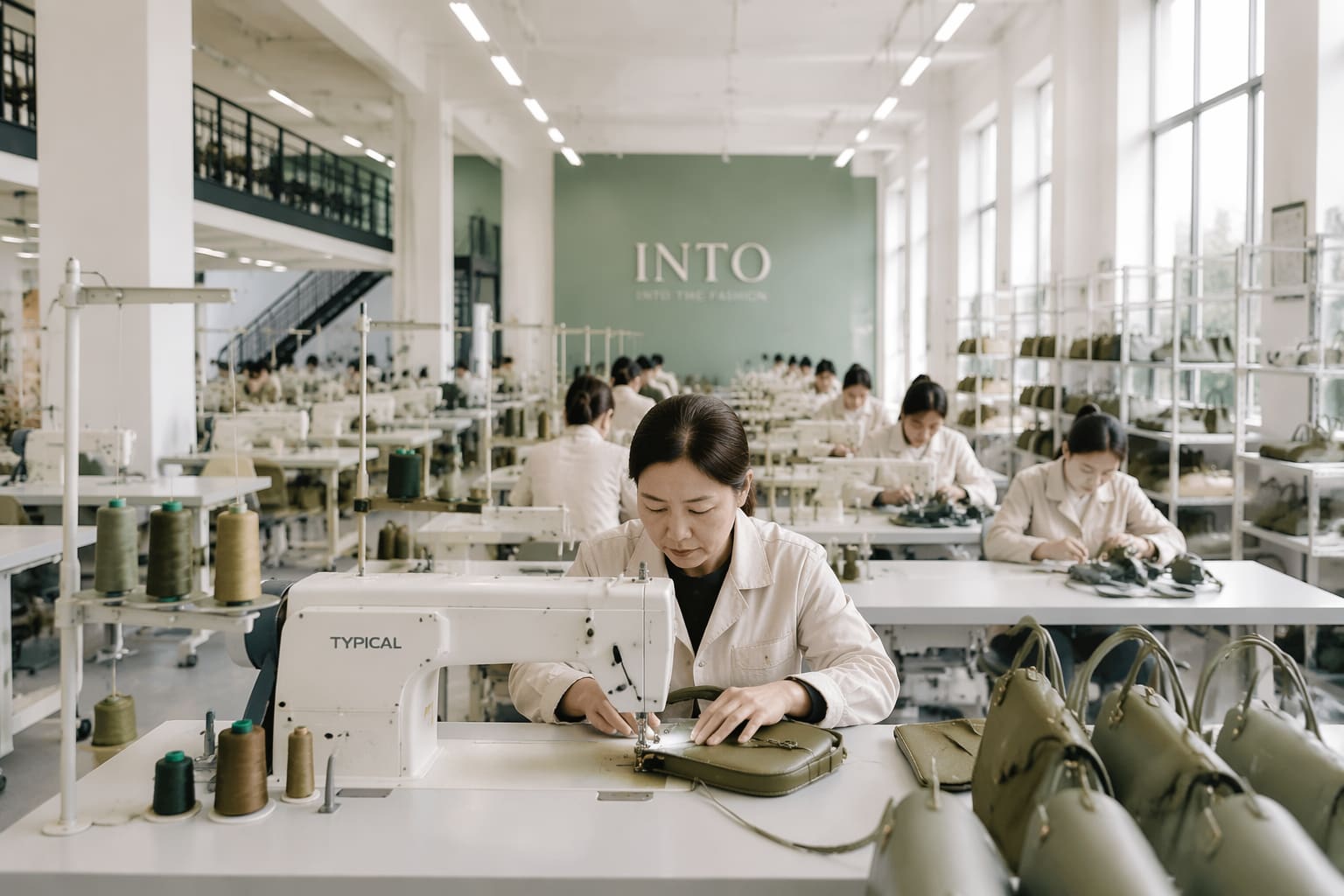
Move from an incomplete idea to an order your team can release
Each stage closes a defined set of decisions, so cost, samples, and bulk production are based on the same brief.
Send the brief as it exists today
Share the end use, range, quantity, material direction, branding, target price, and required date. We will separate known requirements from the decisions still needed for useful costing.
Test the product before committing
Translate references or tech packs into a sample that verifies shape, dimensions, reinforcement, stitching, function, and logo placement.
Lock the cost and appearance drivers
Confirm fabric, lining, colors, zippers, webbing, hardware, labels, and packaging against the approved sample and specification.
Keep bulk production aligned
Use in-process checks and final inspection to compare the order with agreed tolerances, inspection level, and defect limits.
Release the order with confidence
Review packing and inspection evidence before shipment, then coordinate the required export documents and dispatch timing.
Development Priorities
Support where bag projects usually lose time or clarity
Practical decisions that affect feasibility, costing, sample approval, range consistency, and launch timing
Shortlist viable materials faster
Compare recycled fabrics, cotton, canvas, nylon, PU synthetic leather, and leather against your use case, target hand-feel, documentation needs, and price position.
Turn references into controllable specifications
Develop from a tech pack, reference sample, sketch, or approved specification, with branding, trims, construction, and packaging recorded by order.
Coordinate a range, not isolated SKUs
Align related styles, shared materials, colorways, and packaging so the collection develops coherently and avoids duplicated work.
Make quality approval evidence-based
Define inspection points and defect criteria in the order specification, then review inspection photos and reports before release.
You should not have to rely on a generic quality promise
Reliable output starts with a clear approved sample and written acceptance criteria. Before bulk production, we confirm materials, dimensions, color, stitching, hardware, logo placement, and packaging. In-process checks track the agreed specification, while final inspection follows the order's inspection level and defect limits. Your team can review evidence before release and make the shipment decision against standards agreed in advance.
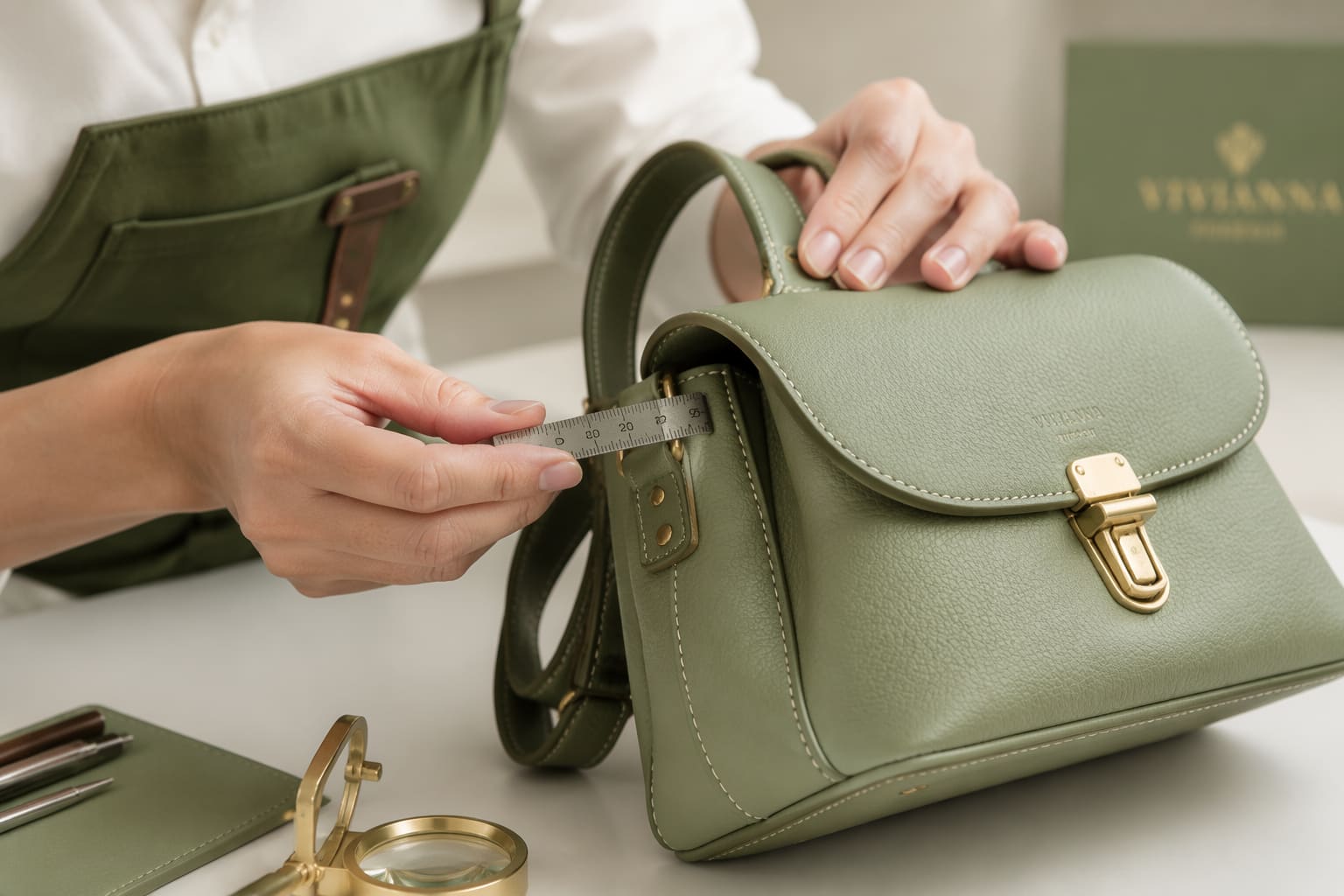
Send the project as it exists today
A reference image, intended use, quantity per style, market, price position, and required date are enough to begin. We will identify what is still needed for a useful sample or quotation.
Get a Custom Quote